organic food bazar

Call Us +91 9317458900

Email Id: sanchits330@gmail.com

Welcome to Organic Food Bazar - Our Official Website | Choose from the our wide range of organic foods diretly from organic farming

HOME

Green and Yellow Modern Organic Food Market Banner

:: About Organic Food Bazar ::

Organic Food Bazar

Organic Food Bazar is a concept or brand focused on providing natural, chemical-free, and sustainably sourced food products to consumers who value healthy living. The name itself suggests a marketplace (“bazar”) where people can find a variety of organic groceries in one convenient place.An organic food bazar typically offers fresh fruits and vegetables grown without synthetic pesticides or fertilizers, along with organic grains, pulses, dairy products, spices, snacks, and packaged essentials. Many such stores also promote eco-friendly practices like biodegradable packaging, reusable bags, and support for local farmers.The main goal of an Organic Food Bazar is to encourage healthier lifestyles while protecting the environment. By choosing organic products, customers reduce their exposure to harmful chemicals and support farming methods that improve soil health and biodiversity. Whether operating as a physical store or an online platform, it aims to make clean, natural food accessible and affordable for everyone.If you’d like, I can also help you write a business description, mission statement, or promotional content for it.

Health & Environment

We need organic food in our life because it supports both our health and the environment. Here are some important reasons:

1. Fewer Harmful Chemicals

Organic foods are grown without synthetic pesticides, chemical fertilizers, or artificial additives. This reduces our exposure to potentially harmful substances and helps protect long-term health.

2. Better Nutritional Value

Many studies suggest that organic fruits and vegetables may contain higher levels of certain antioxidants and nutrients. While the difference may vary, organic food often provides fresher and more natural nutrition.

3. Supports a Strong Immune System

By avoiding excessive chemical residues and consuming cleaner food, our body can function more naturally, which supports immunity and overall well-being.

4. Environmentally Friendly

Organic farming improves soil health, reduces water pollution, and supports biodiversity. It avoids harmful chemicals that damage ecosystems, helping protect the planet for future generations.

5. Better for Farmers and Communities

Organic farming encourages safer working conditions for farmers and promotes sustainable agricultural practices that benefit rural communities.

6. Natural Taste and Freshness

Many people believe organic food tastes better because it is grown naturally and often sold fresh without heavy processing.In simple words, organic food helps us live healthier lives while also caring for the environment. Choosing organic is not just a diet choice—it’s a lifestyle choice for a better future.

Organic/Inorganic Foods

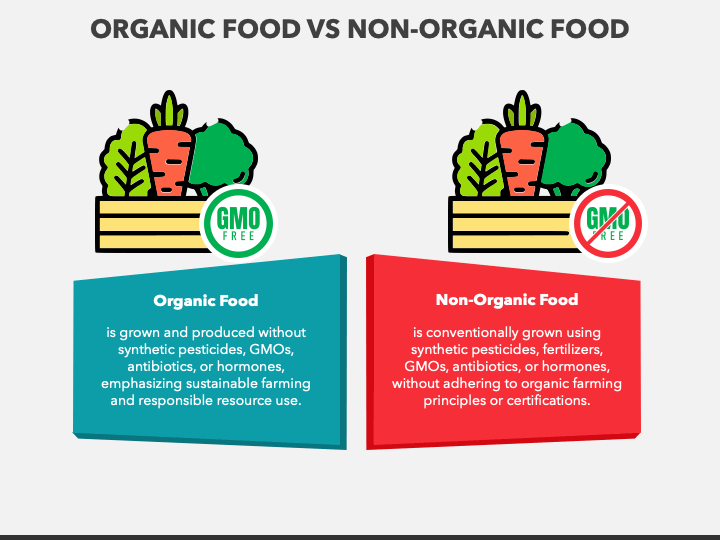
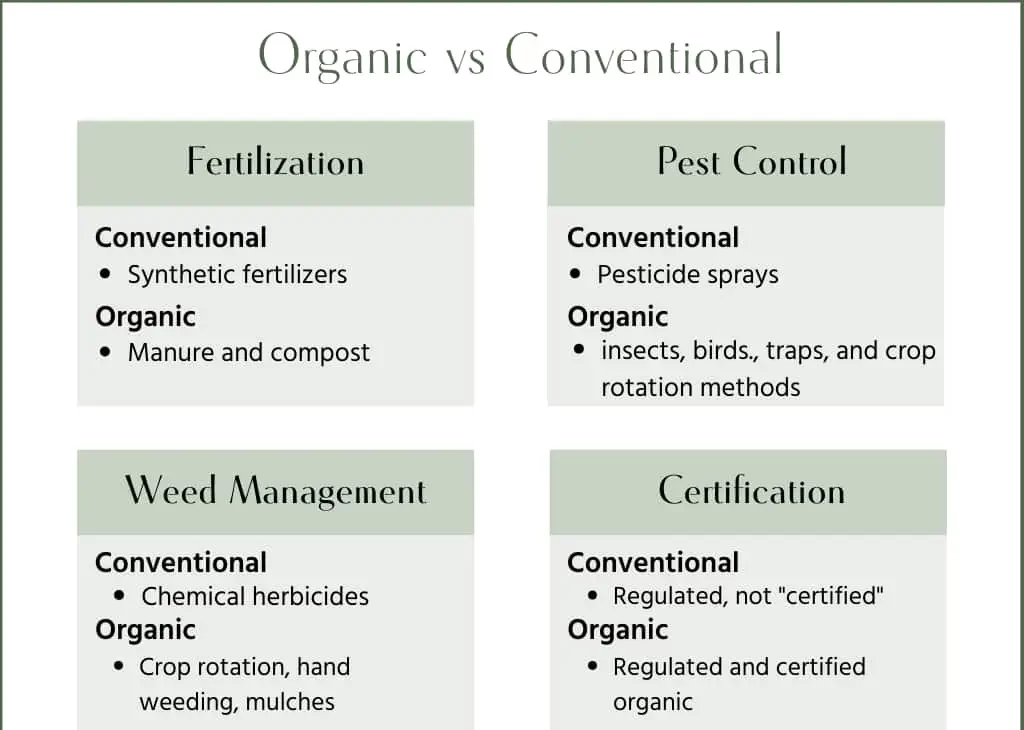
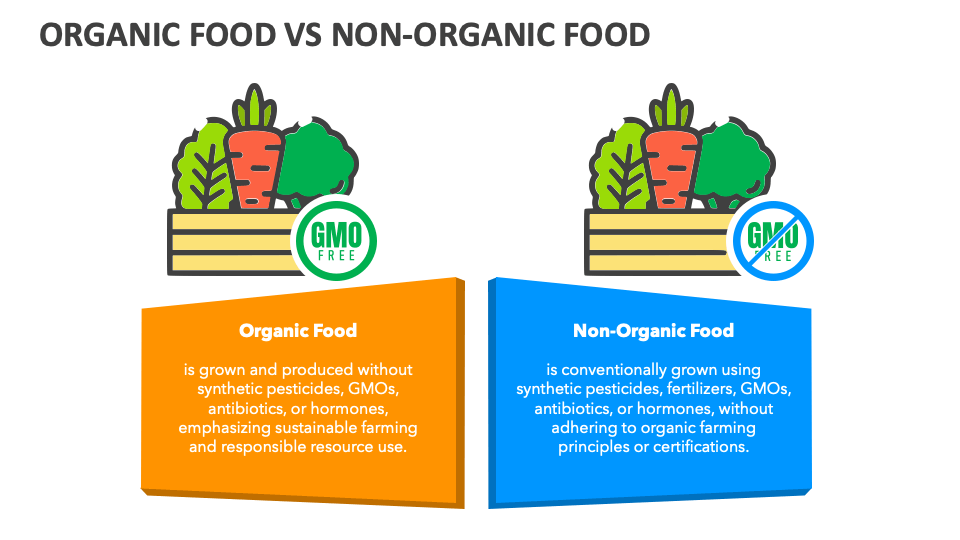
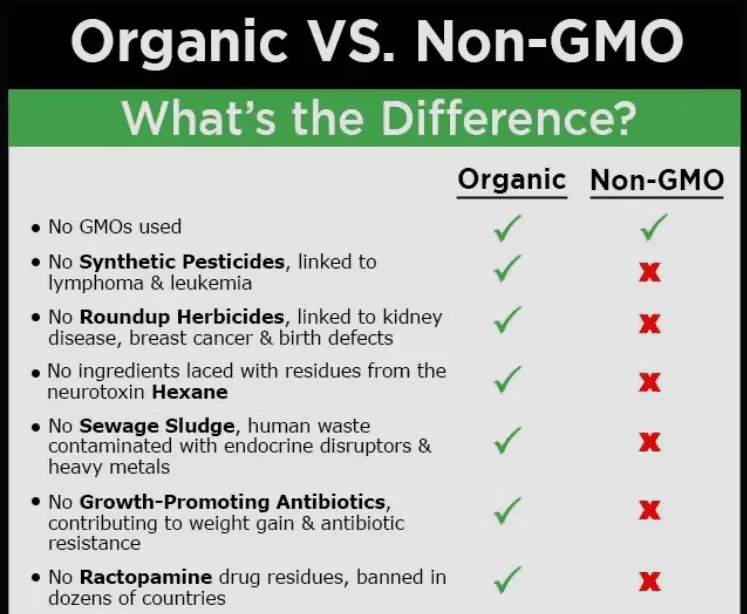
The difference between organic and inorganic (conventional) mainly depends on how the food is grown and processed.

🌱 Organic Food

  • Grown without synthetic pesticides or chemical fertilizers

  • No genetically modified organisms (GMOs)

  • Uses natural compost and eco-friendly farming methods

  • Supports soil health and biodiversity

  • Usually certified and labeled as “Organic”

🧪 Inorganic (Conventional) Food

  • Grown using chemical fertilizers and pesticides

  • May include GMOs

  • Focuses on higher production and faster growth

  • Less strict farming regulations

  • Usually more affordable and widely available


📌 Main Differences at a Glance

OrganicInorganic
Natural farming methodsChemical-based farming
Eco-friendlyCan impact environment
No synthetic additivesMay contain chemical residues
Often more expensiveUsually cheaper

✅ Simple Explanation

Organic food is produced using natural methods, while inorganic (conventional) food is produced using chemical and synthetic methods to increase yield and shelf life.

Both types provide nutrients, but many people choose organic for health and environmental reasons.

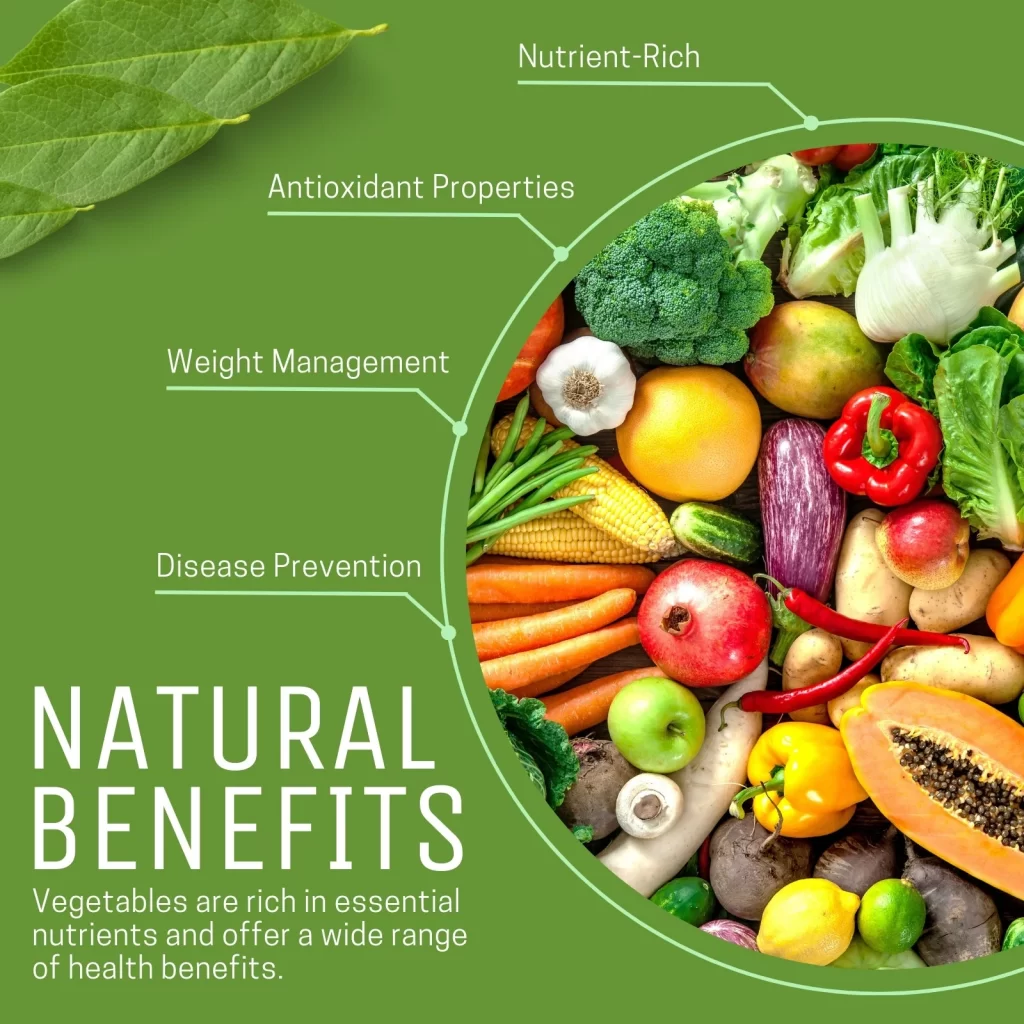
NATURAL BENEFITS

This image highlights the powerful health benefits of eating vegetables. It emphasizes that vegetables are nutrient-rich, packed with essential vitamins, minerals, and fiber that support overall well-being. Their antioxidant properties help protect the body from damage caused by free radicals, which can contribute to aging and disease.

The image also points out how vegetables aid in weight management, as they are generally low in calories but high in volume and nutrients, helping you feel full and satisfied. Additionally, regular consumption supports disease prevention, reducing the risk of chronic conditions like heart disease, diabetes, and certain cancers.

Overall, the visual promotes a simple message: incorporating a variety of colorful vegetables into your diet is a natural and effective way to maintain good health.

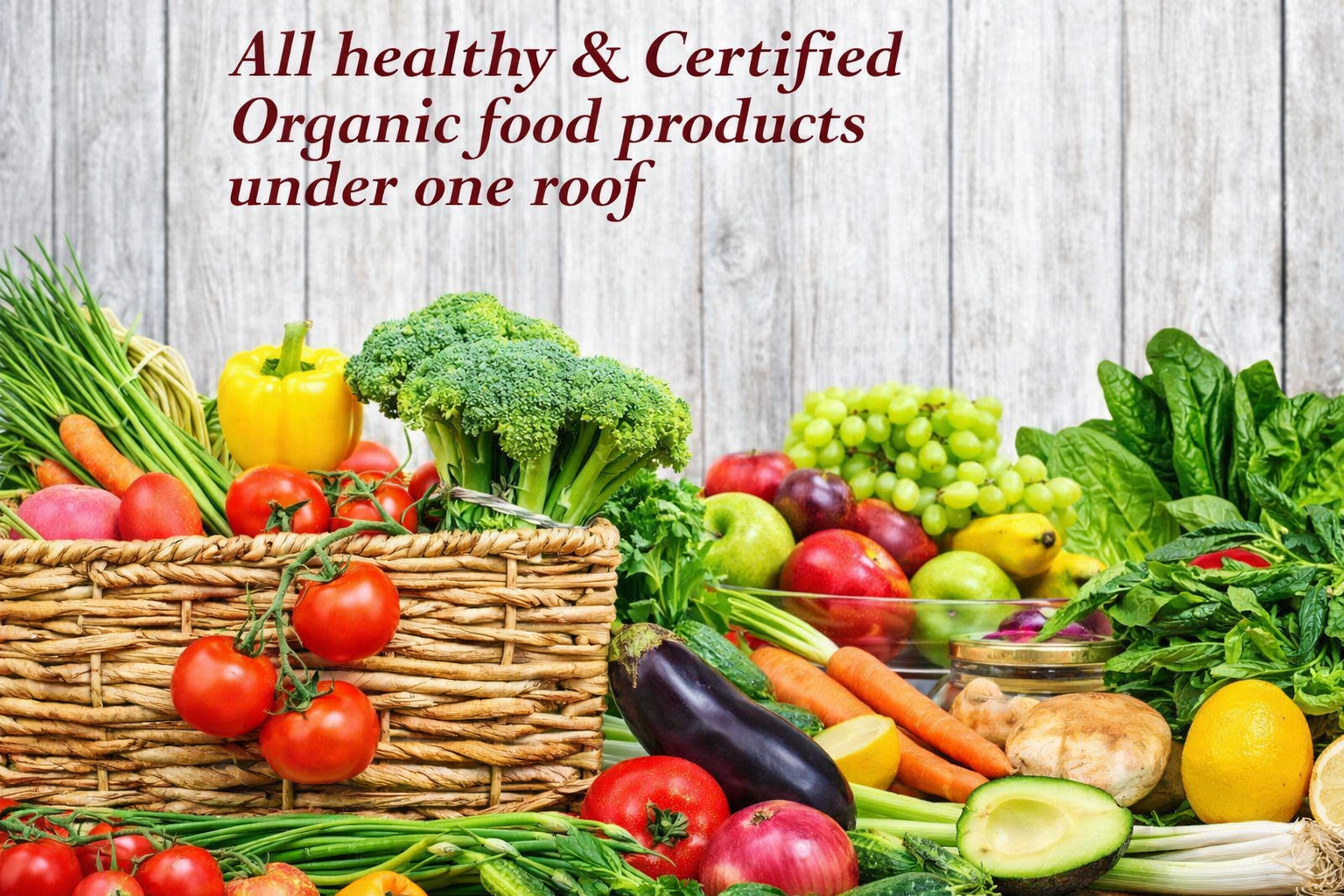
All Healthy & Certified Organic Food Products Under One Roof


The vibrant assortment of fruits and vegetables—tomatoes, broccoli, carrots, grapes, apples, avocados, and more—arranged against a rustic wooden backdrop conveys both freshness and authenticity. The woven basket at the center adds a homely, natural touch, reinforcing the idea of farm-to-table simplicity.

The text, “All healthy & Certified Organic food products under one roof”, positions the image as more than just a visual—it’s a statement of trust and abundance. It suggests variety, quality, and accessibility, making the viewer feel that everything they need for a wholesome lifestyle is gathered in one place.

Overall, the image works as a powerful branding piece: it’s inviting, colorful, and communicates health, sustainability, and community in a single glance. Would you like me to refine this into a polished caption or tagline that you could use directly for Organic Food Bazar’s posters or social media?

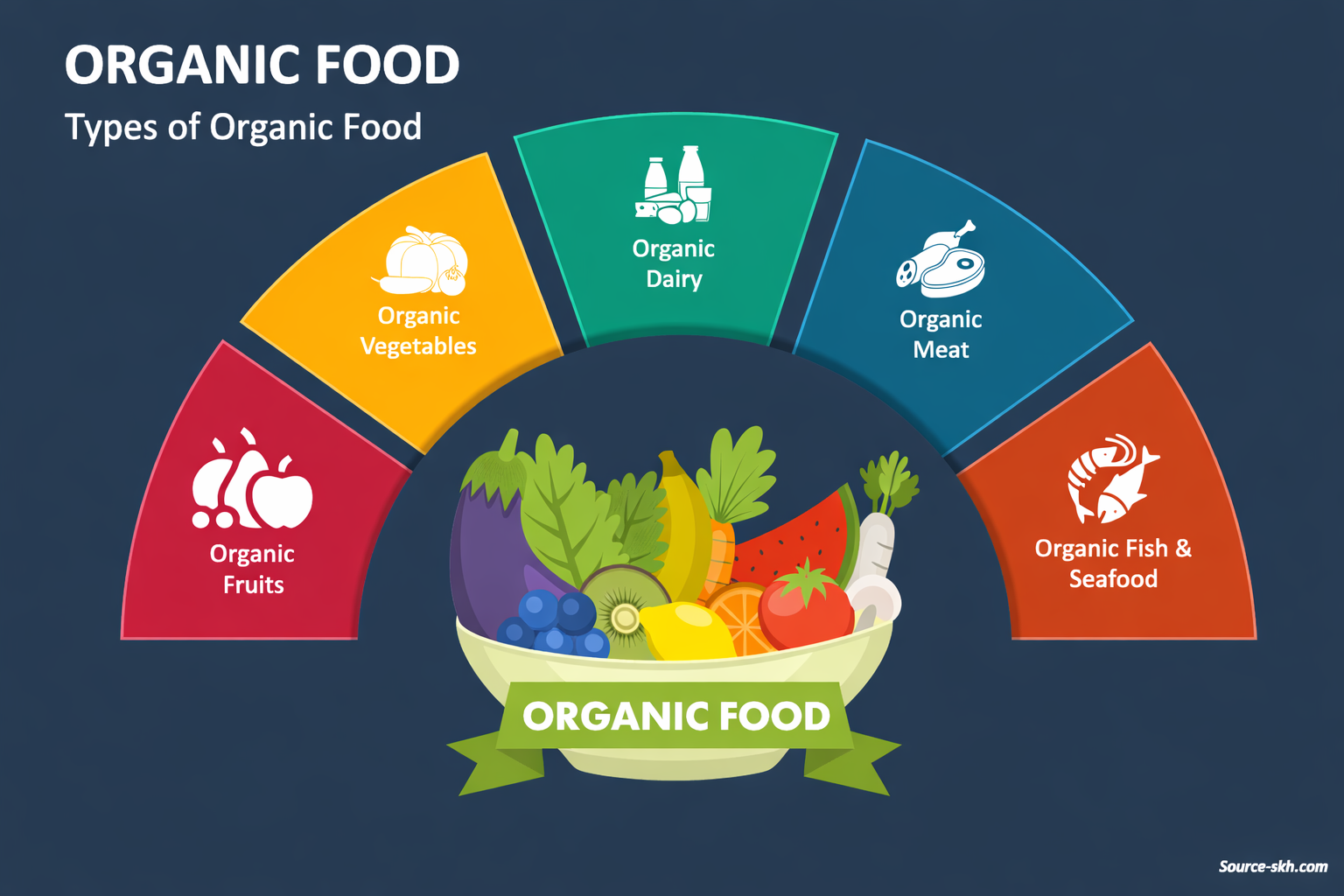
Organic Food Types

This is a vibrant and engaging visual guide to the world of organic food. With a clean layout and bold color-coded segments, it categorizes five essential types of organic products: Fruits, Vegetables, Dairy, Meat, and Fish & Seafood. Each segment is paired with intuitive icons, making it easy to grasp at a glance. At the center, a bowl overflowing with fresh produce—berries, citrus, greens, and more—symbolizes abundance and health. The ribbon labeled “ORGANIC FOOD” ties the message together, reinforcing the idea of wholesome, certified nutrition. This design is ideal for educational posters, social media campaigns, or product packaging. It communicates clarity, trust, and vitality—perfect for a brand like Organic Food Bazar that champions natural living and sustainability. Would you like me to adapt this into a branded version with your logo and tagline?

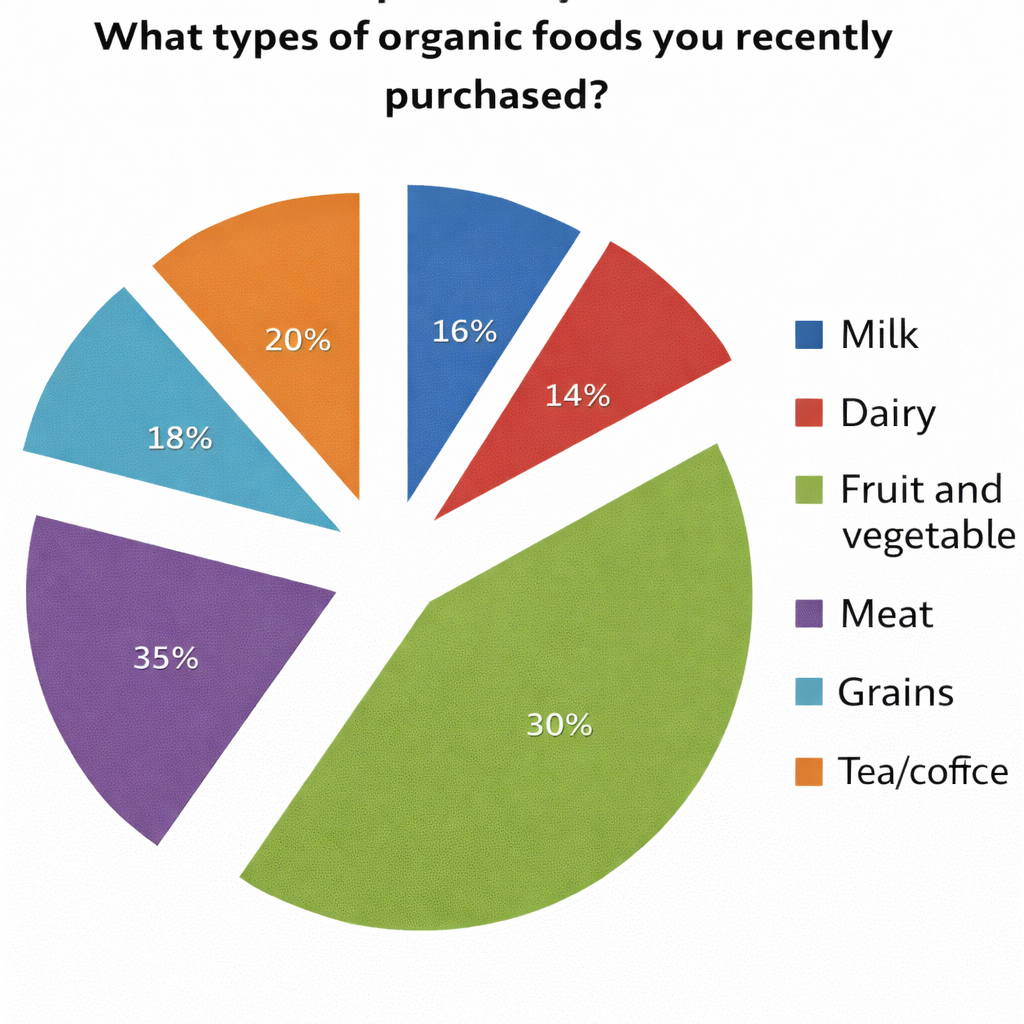
Types Of Organic Foods Recently Purchased
This image presents a vibrant and informative pie chart titled “What types of organic foods you recently purchased?”. It visually breaks down consumer preferences across six categories of organic food:🥛 Milk (16%) and 🧀 Dairy (14%) show moderate interest, reflecting staple household choices.🥦 Fruit and vegetable (30%) and 🍖 Meat (35%) dominate the chart, suggesting a strong demand for fresh and protein-rich organic options.🌾 Grains (18%) hold a steady share, indicating their role in daily nutrition.☕ Tea/coffee (20%) stands out as a lifestyle-driven choice, blending health with habit.The chart’s clean layout and color-coded segments make it easy to interpret, offering a snapshot of organic food trends that could inform marketing, inventory planning, or consumer education. It’s a great visual tool for understanding what health-conscious buyers are prioritizing.

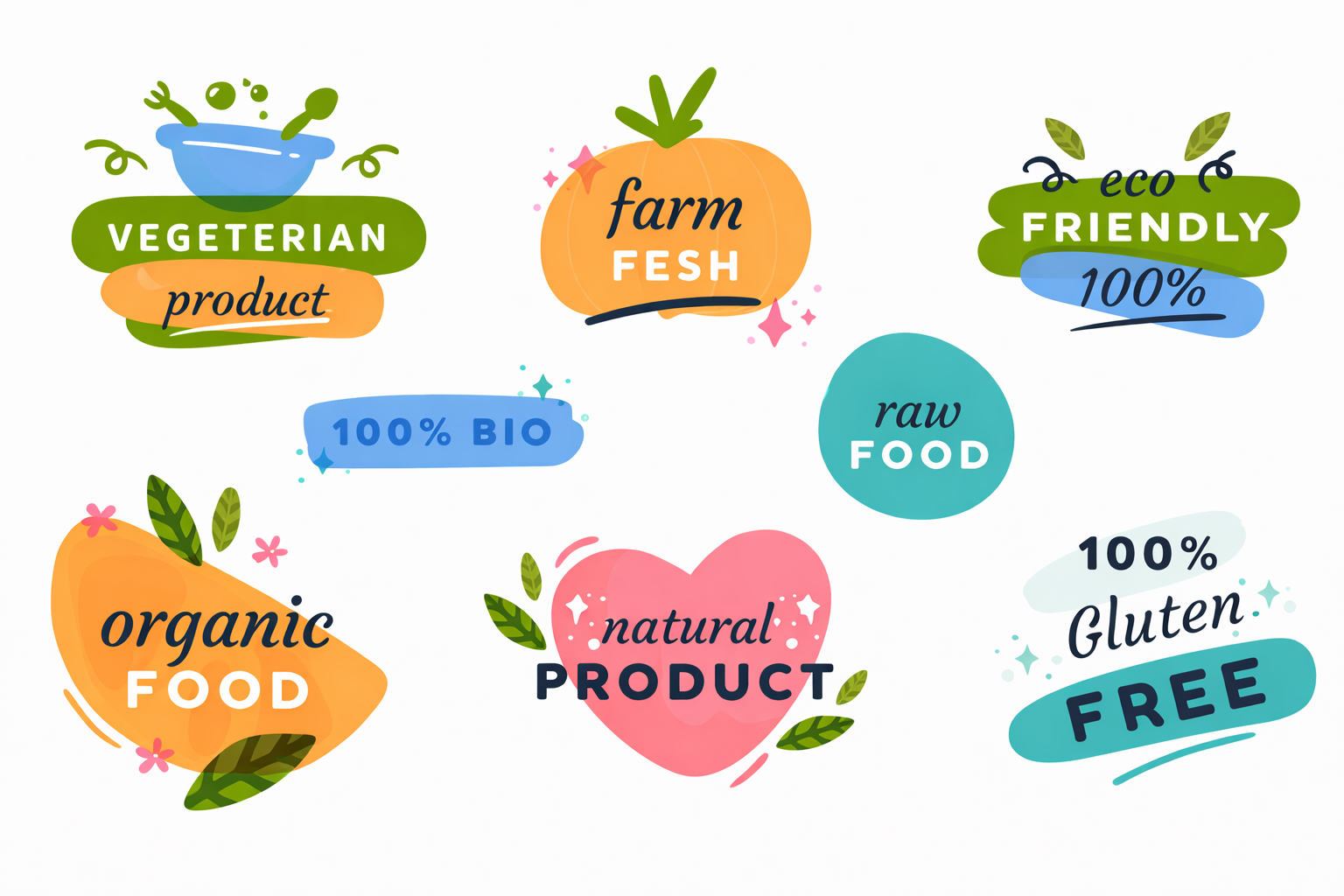
This image is a vibrant collection of eco-conscious and health-focused product labels. Each badge emphasizes values like sustainability, natural living, and wellness. The designs feature organic motifs—leaves, fruits, sparkles—that visually reinforce the message of purity and freshness.The text highlights key selling points often used in branding for organic and healthy food products:"Vegetarian product" and "100% Gluten Free" appeal to dietary preferences."Farm Fresh", "Raw Food", and "Natural Product" emphasize authenticity and minimal processing."Eco Friendly 100%", "100% BIO", and "Organic Food" underline environmental responsibility and clean sourcing.Altogether, the image communicates trustworthiness and health-conscious values, making it ideal for packaging, posters, or digital branding in the organic food sector. It’s not just decorative—it’s a visual language that signals quality and sustainability to consumers.Would you like me to suggest how these labels could be unified into a consistent brand identity for Organic Food Bazar?
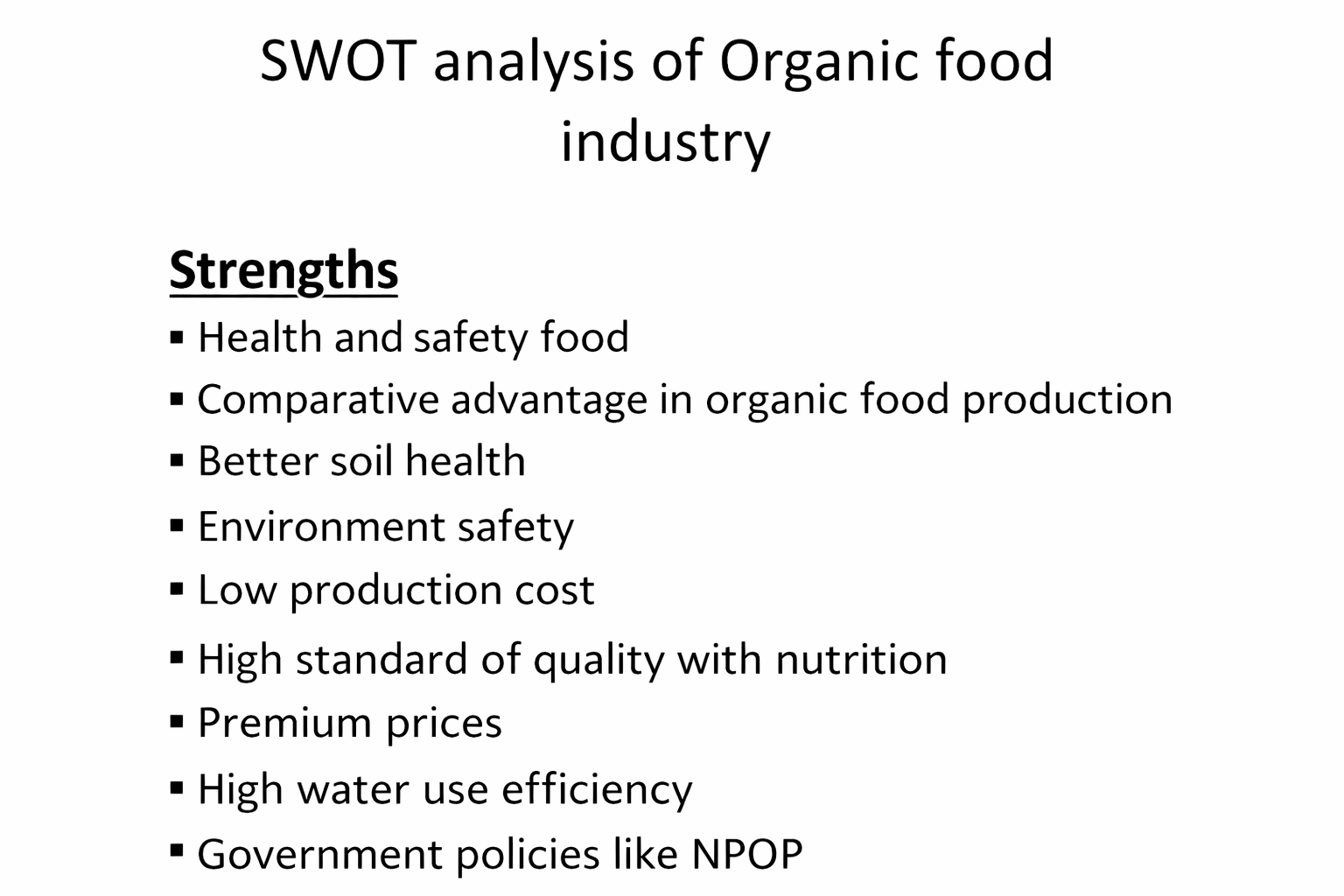
This image presents the Strengths section of a SWOT analysis for the organic food industry, highlighting its key advantages in health, sustainability, and market positioning. Here's a brief overview:🌿 Strengths of the Organic Food Industry Health and Safety: Organic foods are perceived as safer and healthier due to minimal chemical use.Comparative Advantage: Regions with favorable climates and farming traditions excel in organic production.Soil and Environmental Benefits: Organic farming enhances soil health and promotes environmental safety.Cost and Quality: While production costs can be lower due to natural inputs, the products maintain high nutritional standards.Market Premiums: Consumers are willing to pay more for organic products, boosting profitability.Water Efficiency: Organic practices often use water more efficiently.Supportive Policies: Government initiatives like NPOP (National Programme for Organic Production) encourage growth.This analysis underscores why organic food is not just a trend but a strategic pillar for sustainable agriculture and health-conscious markets. Want to build out the full SWOT with Weaknesses, Opportunities, and Threats next?

Scroll to Top